
Top Robotics and Automation Solutions for Industry: Advanced Industrial Robotics
- May 16
- 4 min read
In today’s fast-evolving industrial landscape, advanced industrial robotics are no longer a futuristic concept but a present-day necessity. We are witnessing a remarkable transformation where automation and robotics are reshaping manufacturing floors, warehouses, and educational labs alike. These technologies are driving efficiency, precision, and safety to new heights. Let’s explore the top robotics and automation solutions that are revolutionizing industries and how they can empower your operations.
Exploring Advanced Industrial Robotics in Modern Industry
Advanced industrial robotics have become the backbone of modern manufacturing and production lines. These robots are designed to perform complex tasks with speed and accuracy, often surpassing human capabilities. From assembly to packaging, welding to quality inspection, the applications are vast and varied.
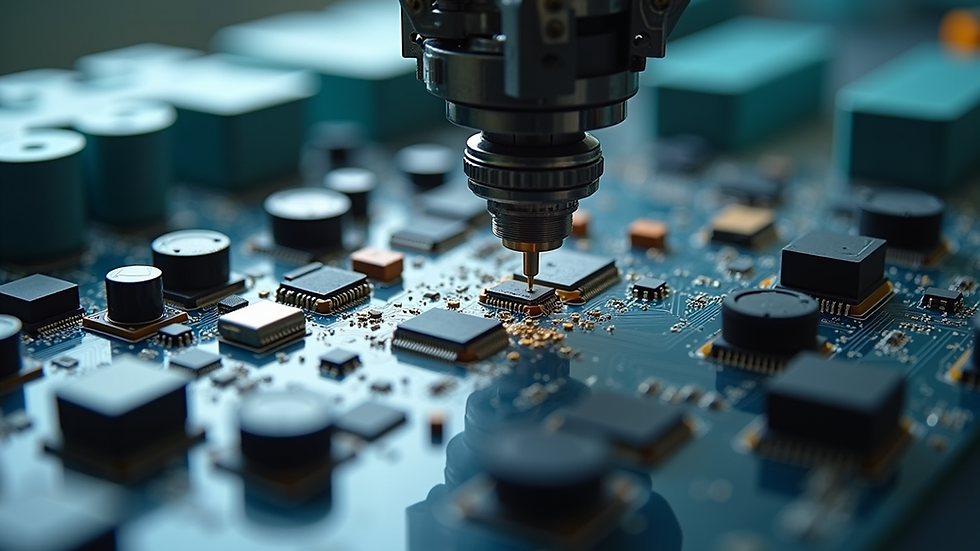
One of the key advantages of these robots is their ability to work tirelessly in hazardous or repetitive environments. For example, robotic arms equipped with sensors can handle delicate electronics assembly without error, while autonomous mobile robots (AMRs) transport materials across large warehouses efficiently.
We see industries adopting collaborative robots, or cobots, that work alongside human operators safely. These cobots enhance productivity by taking over mundane tasks, allowing human workers to focus on more strategic roles. The integration of AI and machine learning further enables robots to adapt to changing conditions and optimize their performance continuously.
Key benefits of advanced industrial robotics include:
Increased production speed and throughput
Enhanced product quality and consistency
Reduced workplace injuries and improved safety
Lower operational costs over time
Flexibility to handle multiple tasks with minimal reprogramming
How Robotics and Automation Solutions Transform Industrial Processes
When we talk about robotics and automation solutions, we refer to a broad spectrum of technologies that streamline industrial workflows. These solutions combine hardware like robots and sensors with software platforms that control and monitor operations in real-time.
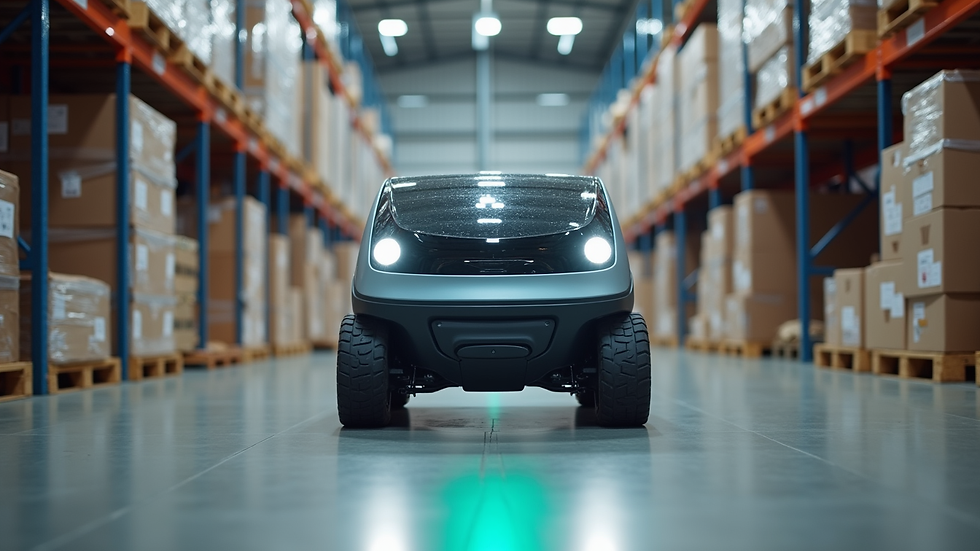
For instance, automated guided vehicles (AGVs) and AMRs are transforming logistics by autonomously moving goods within warehouses and factories. This reduces human error and speeds up material handling. Similarly, vision systems integrated with robots enable real-time quality control, detecting defects that might be missed by the human eye.
In addition, programmable logic controllers (PLCs) and industrial IoT devices connect machines and systems, allowing centralized monitoring and predictive maintenance. This connectivity minimizes downtime and extends equipment life.
To implement these solutions effectively, companies should:
Assess current workflows to identify bottlenecks and repetitive tasks.
Choose the right robotic systems that fit specific operational needs.
Invest in training for staff to manage and maintain automation technologies.
Leverage data analytics to continuously improve processes.
By embracing these strategies, industries can unlock significant productivity gains and maintain a competitive edge.
Does NASA Use ROS?
The Robot Operating System (ROS) is a flexible framework for writing robot software. It provides tools and libraries to help developers create complex and robust robot behavior across a wide variety of robotic platforms.
NASA has indeed utilized ROS in several projects. The agency leverages ROS for research and development in robotics, particularly for space exploration missions. ROS’s modularity and open-source nature make it ideal for prototyping and testing robotic systems that must operate in challenging environments like space.
For example, NASA’s Jet Propulsion Laboratory (JPL) has used ROS to develop autonomous navigation systems for planetary rovers. These systems enable rovers to traverse uneven terrain, avoid obstacles, and perform scientific tasks with minimal human intervention.
The use of ROS by NASA highlights the importance of adaptable and scalable software frameworks in advancing robotics technology. It also underscores the potential for industrial applications to benefit from similar open-source tools to accelerate innovation.
Practical Applications of Robotics in Industrial Education
Educational institutions play a crucial role in preparing the next generation of engineers and technicians who will drive the future of automation. Integrating robotics into curricula provides hands-on experience that bridges theory and practice.
Robotics kits and simulators allow students to design, program, and test robots in controlled environments. This practical exposure enhances problem-solving skills and fosters creativity. Moreover, educational robotics platforms often mirror industrial systems, giving learners familiarity with real-world technologies.
Institutions can collaborate with industry partners to develop tailored training programs that address specific skill gaps. For example, courses on robot programming, sensor integration, and IoT connectivity prepare students for careers in smart manufacturing.
By investing in educational robotics, we ensure a steady pipeline of skilled professionals ready to implement and maintain advanced industrial robotics solutions.
Future Trends in Industrial Robotics and Automation
Looking ahead, the future of industrial robotics is bright and full of exciting possibilities. We anticipate several key trends shaping the next wave of innovation:
Increased AI integration: Robots will become smarter, capable of learning from their environment and making autonomous decisions.
Enhanced human-robot collaboration: Safety features and intuitive interfaces will enable closer cooperation between humans and robots.
Edge computing and IoT: Real-time data processing at the edge will improve responsiveness and reduce latency in automated systems.
Sustainability focus: Robotics will help industries reduce waste, optimize energy use, and support circular economy initiatives.
Customization and flexibility: Modular robots will allow quick reconfiguration to meet changing production demands.
By staying informed and adaptable, industries can harness these trends to boost efficiency and innovation.
Advanced industrial robotics and automation are no longer optional but essential for thriving in today’s competitive environment. By embracing these technologies, we can unlock new levels of productivity, safety, and quality. Whether through collaborative robots, autonomous vehicles, or integrated IoT systems, the future of industry is automated and intelligent. Let’s continue to explore and implement these solutions to build smarter, more resilient operations for tomorrow.
Comments